
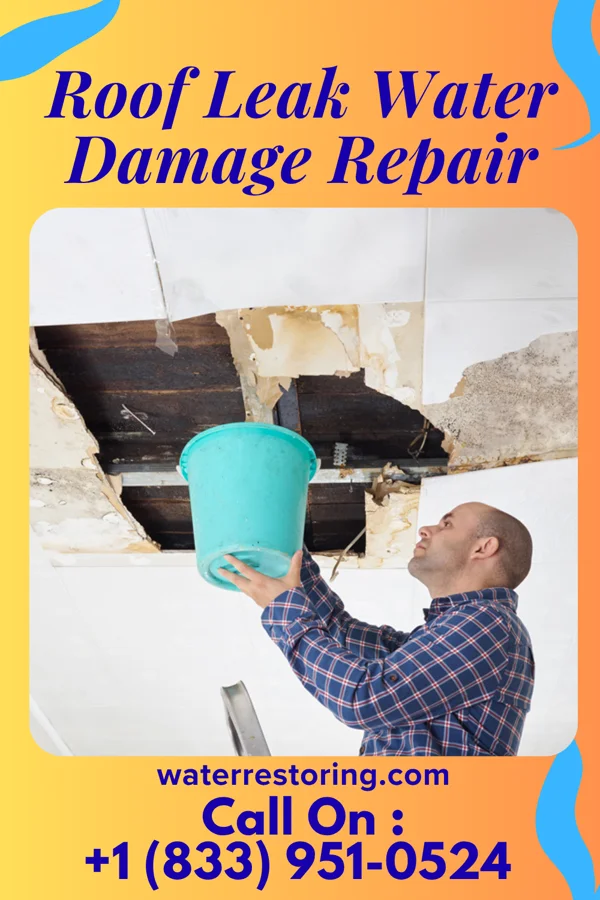
What Makes Birch Run Roof-Leak-Prone
Living in Birch Run means dealing with Birch Run experiences frequent thunderstorms and heavy rainfall, especially during the late spring and early summer months. These storms often bring strong winds that can damage roofing materials, leading to leaks and water infiltration. The region's climate also includes occasional snowmelt in the spring, which can contribute to roof ponding and water damage. sooner or later. A close second is The area is prone to sudden temperature fluctuations, which can cause roofing materials to expand and contract, leading to cracks and gaps. Additionally, the presence of nearby lakes and rivers can increase humidity levels, contributing to condensation and moisture buildup in attics and crawl spaces.. The good news: water damage is fully recoverable when you catch it fast and bring in certified technicians.
The combination of heavy rainfall, temperature swings, and high humidity in Birch Run creates an environment where roof leaks and water damage are common. These conditions can lead to mold growth, structural issues, and long-term property degradation if not addressed promptly.
Most roof leak water damage repair calls in Birch Run come from Birch Run experiences frequent thunderstorms and heavy rainfall, especially during the late spring and early summer months. These storms often bring strong winds that can damage roofing materials, leading to leaks and water infiltration. The region's climate also includes occasional snowmelt in the spring, which can contribute to roof ponding and water damage.. Running a close second is The area is prone to sudden temperature fluctuations, which can cause roofing materials to expand and contract, leading to cracks and gaps. Additionally, the presence of nearby lakes and rivers can increase humidity levels, contributing to condensation and moisture buildup in attics and crawl spaces.. Local mold risk: Mold can begin to grow within 48 hours of water exposure in Birch Run, making prompt roof leak repairs critical. Prolonged moisture can lead to structural damage, compromised insulation, and health risks from mold spores.
For public guidance on the health effects of mold after prolonged water exposure, see the EPA mold and health page.